What if the most beautiful homes weren’t the perfectly polished ones, but those that celebrate imperfection? Wabi sabi interior design transforms everyday flaws into sources of authentic beauty, creating spaces that reduce stress and promote mindful living. According to Pinterest’s trend report, searches for “wabi sabi decor” increased by 127% year-over-year, reflecting our collective desire for more meaningful, sustainable design approaches.
What Defines Authentic Wabi Sabi Aesthetic Elements ?
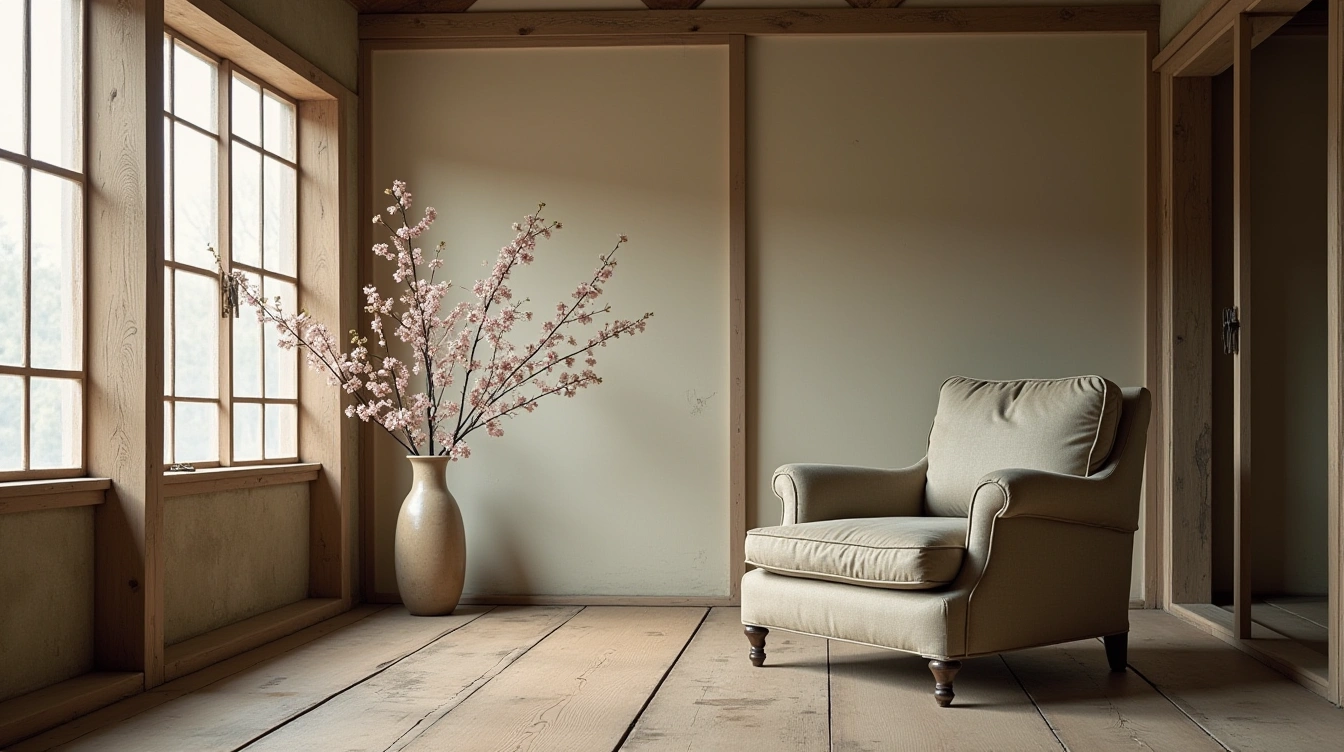
The heart of wabi sabi lies in embracing life’s natural imperfections as sources of profound beauty. This ancient Japanese philosophy transforms how we perceive our living spaces, celebrating the weathered wood grain, the gentle asymmetry of handmade ceramics, and the soft patina that time lovingly bestows upon our belongings.
Also to read : What are the UK’s strategies for tackling youth unemployment?
Authentic wabi sabi elements speak through natural materials in their most honest forms. Think rough-hewn timber with visible knots, stone surfaces that bear the marks of their formation, and textiles that soften and fade with use. These materials tell stories of resilience and acceptance, inviting us to find peace in the passage of time rather than fighting against it.
The aesthetic deliberately avoids perfect symmetry, instead finding harmony in gentle imbalance. A slightly off-center vase, furniture with naturally irregular edges, or walls that show the subtle variations of handmade plaster all embody this principle. This intentional imperfection creates spaces that feel more human, more lived-in, and ultimately more comforting than pristine showroom environments. Furthermore, Visit this link to learn more about embracing this transformative philosophy in your own home.
Additional reading : Unlock your future: learn spoken arabic with al kaamil
Essential Materials and Textures for This Timeless Style
Wabi-sabi decoration draws its authentic beauty from materials that bear the gentle marks of time and nature. Each texture tells a story, embracing the philosophy that true elegance emerges from imperfection rather than polished perfection.
The foundation of this aesthetic lies in selecting materials that age gracefully and reveal their character through use. These elements create spaces that feel lived-in and welcoming, where every surface invites touch and contemplation.
- Raw wood with visible grain patterns, knots, and natural irregularities that showcase the tree’s journey
- Imperfect ceramics featuring hand-thrown asymmetry, subtle cracks, or uneven glazing that celebrates the maker’s human touch
- Wrinkled linen in neutral tones that softens with each wash, creating organic folds and lived-in comfort
- Natural stones with weather-worn surfaces, moss traces, or mineral variations that connect indoor spaces to earth’s rhythms
- Patinated metal showing gentle rust, oxidation, or wear patterns that speak of time’s transformative power
These materials work together to create environments where authenticity replaces artifice, and where the beauty of impermanence becomes a source of daily inspiration.
Creating Harmonious Spaces Through Mindful Arrangement
The art of mindful arrangement begins with understanding that perfect imperfection creates the most compelling spaces. Rather than striving for symmetrical perfection, wabi sabi embraces the gentle asymmetry found in nature, where branches grow unevenly and stones settle where they may. This philosophy transforms how you view your living space, encouraging arrangements that feel organic and lived-in.
Natural light becomes your most trusted ally in wabi sabi design. Position weathered furniture and handcrafted objects where morning light can highlight their unique textures and gentle imperfections. The interplay of light and shadow reveals the character in aged wood grain, the subtle variations in handmade ceramics, and the peaceful patina of well-loved surfaces.
Creating contemplative atmospheres requires embracing negative space as thoughtfully as filled areas. Allow objects room to breathe, resisting the urge to fill every corner or surface. This restraint invites quiet reflection and helps each carefully chosen piece tell its story. Consider how people move through your space naturally, creating pathways that encourage slow, mindful passage rather than hurried transit between rooms.
Balancing Modern Living with Ancient Wisdom
The challenge of bringing wabi sabi philosophy into contemporary homes isn’t about abandoning modern conveniences—it’s about finding harmony between function and contemplation. Your smart home technology can coexist beautifully with weathered wood furniture and handmade ceramics. The key lies in creating intentional spaces where ancient wisdom guides your design choices without compromising practical needs.
Modern families often struggle with the tension between minimalism and functionality. Wabi sabi offers a graceful solution by embracing imperfect functionality. That slightly worn dining table becomes more beautiful with each family meal. The mismatched vintage chairs tell stories while providing comfortable seating. Your home doesn’t need to be a museum of perfection—it can be a living space that honors both efficiency and soul.
The secret is choosing quality over quantity in your modern additions. Invest in fewer, well-made appliances that serve multiple purposes. Let natural materials dominate your color palette while incorporating contemporary elements thoughtfully. This approach creates homes that feel both timeless and livable, where ancient wisdom enhances rather than restricts your daily life.
Your Questions About Wabi Sabi Decoration
What is wabi sabi decorating style and how do I achieve it?
Wabi sabi celebrates imperfect beauty through weathered wood, organic shapes, and natural materials. Embrace asymmetry, incorporate handmade items, choose muted colors, and display objects with patina or visible wear.
How can I incorporate wabi sabi philosophy into my home design?
Start by accepting imperfections as beautiful. Choose quality over quantity, display meaningful objects with history, embrace natural aging, and create spaces that feel lived-in rather than perfectly curated.
What are the key elements of wabi sabi interior decoration?
Essential elements include natural materials like stone and wood, neutral earth tones, organic textures, asymmetrical arrangements, vintage pieces, plants, and items that show gentle wear from use and time.
Where can I find authentic wabi sabi furniture and accessories?
Explore antique markets, artisan workshops, second-hand stores, and Japanese design retailers. Look for handcrafted ceramics, weathered furniture, natural textiles, and pieces with unique imperfections that tell stories.
How do I balance wabi sabi imperfection with modern home aesthetics?
Blend both styles by maintaining clean lines while adding organic textures. Use neutral palettes, incorporate natural materials alongside modern pieces, and let imperfect elements create warmth within structured spaces.